
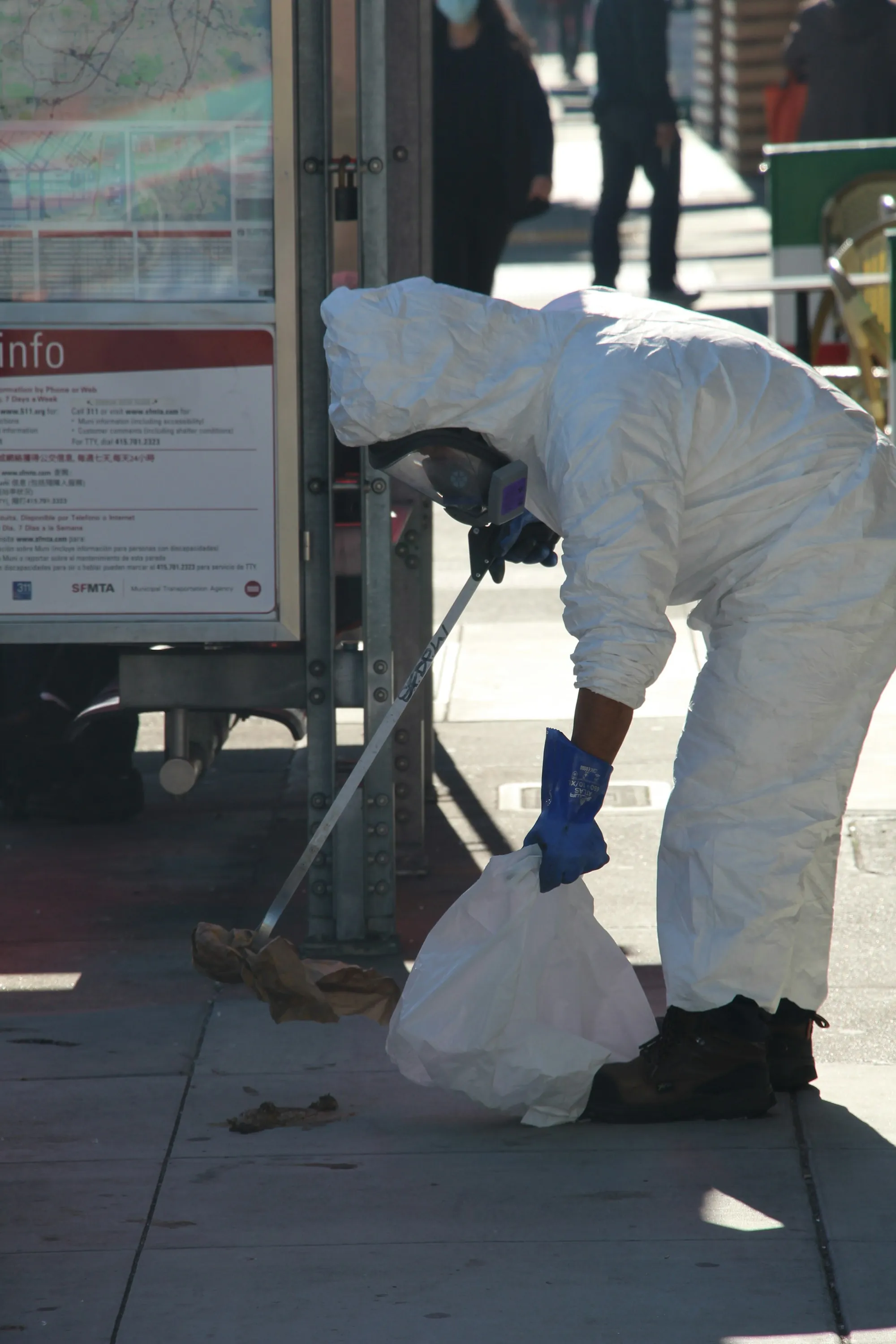
The core abatement job
Asbestos Removal in Hicksville
Material confirmed, sealed off, taken out wet and cleared by an independent air test, with every step written down before the crew arrives.
Removal With Nothing Left to Guess
Most asbestos removal jobs start the same way. Somebody is about to open a wall, swap a boiler, pull a floor or sell the house, and a suspect material is standing in the way. The question is not whether it can come out. It can. The question is whether it comes out cleanly, legally and without dust drifting into the rest of the house.
That is what the written scope is for. Before anyone shows up with plastic and tape, you get a page that names every material being removed and where it is, describes how the work area will be sealed, explains how the waste is packed and where it goes, and states what air test has to pass before you get the room back. If something is not on that page, it is not part of the job. If something changes once the walls are open, you hear about it before the work changes.
On a typical house around Hicksville that might be wrap on the basement heating pipes, nine-inch tile under the kitchen linoleum and a textured ceiling in a bedroom. On a commercial space it might be pipe fittings in a mechanical room and old tile across a sales floor. Either way the method is the same, and New York requires licensed handlers to do it.
What a Removal Job Covers
Each item below shows up in your written scope with the reason it is there.
Pipe and boiler insulation
Lagging and elbow fittings on heating lines, usually pulled before a new boiler goes in.
Tile and the glue under it
Nine-inch squares and black adhesive scraped down to bare boards, ready for the new floor.
Popcorn and textured ceilings
Acoustic and textured finishes taken down with the room fully sealed and the material kept wet.
Joint compound and plaster
Wall and ceiling materials that test positive, removed before a kitchen or basement gets opened up.
Siding and roofing shingles
Cement shingles pried off intact whenever they allow it, misted and wrapped before they leave the property.
Duct wrap
Insulation on older ductwork removed so a new system can be installed without disturbing it.
Pre-sale and pre-demolition work
Material cleared ahead of a closing or a teardown, so the next step is not held up.
How a Removal Runs
Confirm the material
Suspect items are sampled and lab tested first. Anything that comes back clean stays off the bill.
Put it in writing
The scope and price lay out materials, containment, disposal and clearance. Notifications are filed where the job requires them.
Seal and remove
Poly walls, taped registers and a HEPA unit come first. Then licensed handlers mist it down, pull it and pack it.
Clean and clear
HEPA vacuuming and wet wiping, then an independent air test. The containment stays until it passes.
Why Contractors Hand Us the Asbestos
A scope your contractor can plan around
Your general contractor sees exactly what is coming out and when the space is cleared. No surprises in the middle of demolition.
Work held to inspected standards
This outfit has finished asbestos jobs for government and municipal owners, the kind of work where an inspector reads every log. Your basement gets that standard too.
Dust stays where it started
Negative air and sealed openings keep the rest of the house clean while the work area is open.
- Written scope first
- HEPA negative air
- Sealed, labeled waste
- Independent air clearance
Found Something Suspect Before Your Remodel?
Tell us what it looks like, where it is and when the job is supposed to start. We will tell you what comes next and what goes on paper.